7 Irish Wedding Traditions to Include in Your Destination Wedding

Irish wedding traditions may date back many centuries but many are still around today. In fact, several Celtic wedding traditions have crossed over into popular culture, like honeymoons and handfasting ceremonies. Others, like aitin’ the gander (where the couple’s families feasted on a goose before the wedding) may be less well-known. But incorporating Irish wedding traditions into your big day is a lovely touch, whether you’re planning a destination wedding in Ireland or want to add an Irish touch to your ceremony back home first. Here are seven of my favourite customs.

The Claddagh ring

One of the best known Irish wedding traditions, Claddagh rings have been exchanged since the 17th century. They are also often handed down from mother to daughter. The ring’s design depicts two hands holding a crowned heart, representing love, loyalty, and friendship. When the wearer is single, the ring is worn on the right hand, with the point of the heart towards the fingertips. When in a relationship, it is turned, and once married, moved to the left hand.

Irish lace

Irish wedding dresses often include beautiful Irish lace detailing. These intricate laces have been made in Ireland since before the mid-eighteenth century, and patterns differ depending on where they are made. One of the most popular is Carrickmacross lace from County Monaghan, worn by Kate Middleton at her wedding to Prince William.

Uilleann pipes

Bagpipes are an important part of both Scottish and Irish culture, but here in Ireland, we favour the Uilleann pipes. They have a quieter, sweeter sound. They’re part of many ceremonies and celebrations, but are especially atmospheric at Irish weddings. It’s a very special way for the bride to walk down the aisle!

handfasting ceremony for irish destination wedding

The handfasting ceremony

If you’ve ever wondered where the phrase ‘tying the knot’ comes from, here’s your answer! Handfasting is an ancient Celtic wedding ceremony, where the couple’s hands are bound together with rope, ribbon, or lace. The love knot symbolises unity, even in times of trouble. I love how this Irish wedding tradition can be personalised, using fabric or colours that suit your wedding style.

The honeymoon

In ancient Ireland, guests toasted the newlyweds with mead, a drink made of honey. It was believed to endow luck and fertility, and keep away the fairies. After the wedding, the couple were given enough of the brew to last them a month, or the cycle of one full moon. ‘Mi na meala’, the ‘month of honey’ is where we get the term ‘honeymoon’!

Braided hair

In Celtic tradition, the braid is a symbol of feminine power and good luck. Many Irish brides have worn their hair in braids, often interwoven with ribbons or lace. There are so many beautiful braided hairstyles to choose from, whatever your hair type or length!

Ringing the bells

According to this Irish wedding tradition, the sound of bells is meant to ward off evil spirits and keep harmony in the home. Some Irish brides carry small bells in their bouquets, while others receive a small bell as a gift. This is sometimes called a ‘make-up bell’, as couples can ring it during their marriage after an argument, as a reminder of their wedding vows. Bells always make a lovely addition to your Irish wedding ceremony, or can be given as favours, to honour this tradition.

Which of these Irish wedding traditions is your favourite?

Slán go Fóill,

Tara

Images by Lisa O’Dwyer
How to Create an Irish Wedding Menu

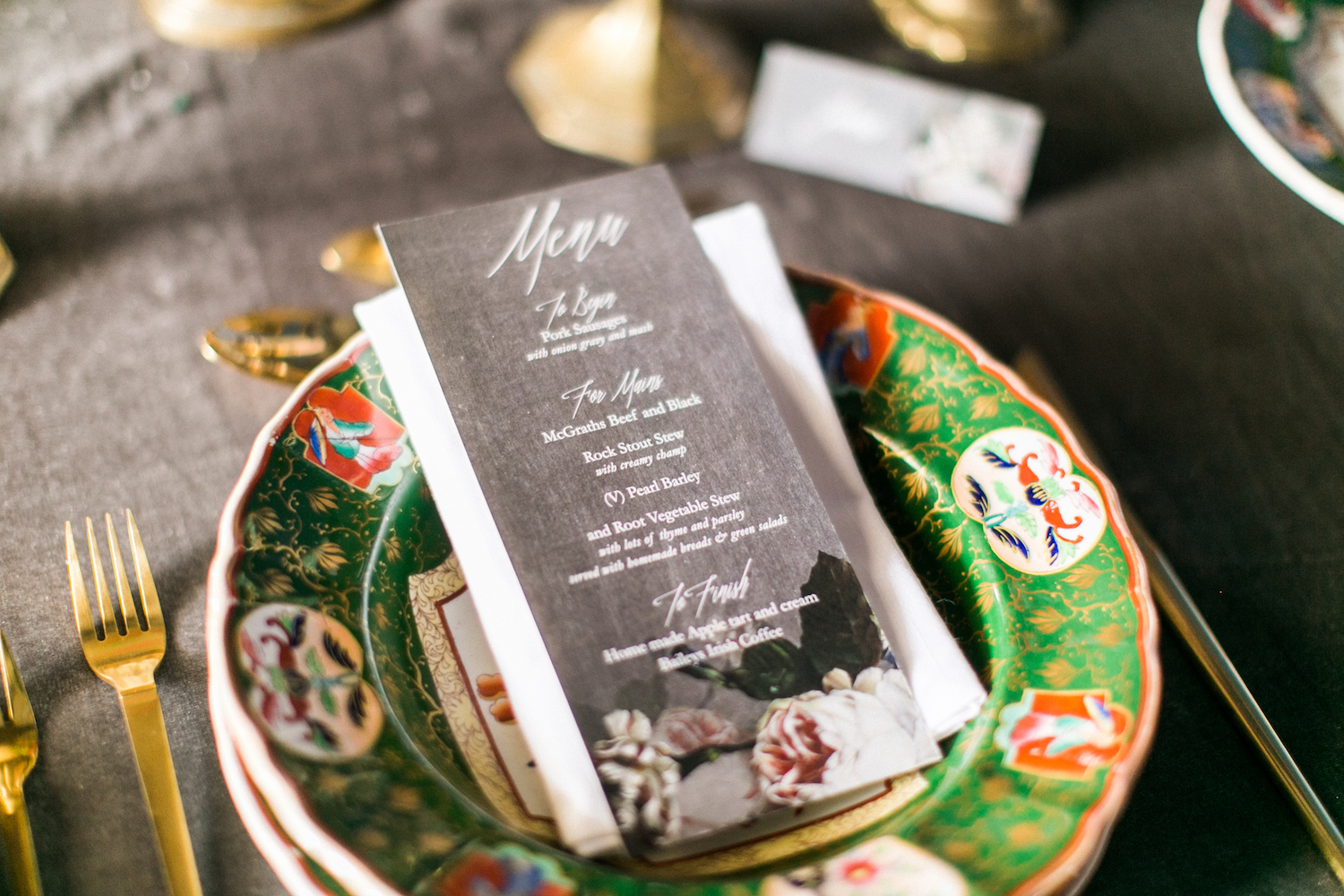
If you ask guests what they remember most about a wedding, food will always be high up on the list. A wedding menu should be delicious, beautifully presented, and in keeping with the tone of the event, in order to give guests the very best experience. So if you’re planning a destination wedding in Ireland, there’s no better way to celebrate than with a proper Celtic feast. Or perhaps you’re planning a micro wedding at home before coming to Ireland for your wedding in the near future? If so, you may want to give guests a taste of the Emerald Isle. Either way, here are some top tips for how to create a delectable Irish wedding menu for your big day.

irish-wedding-menu-canapes

New takes on old classics

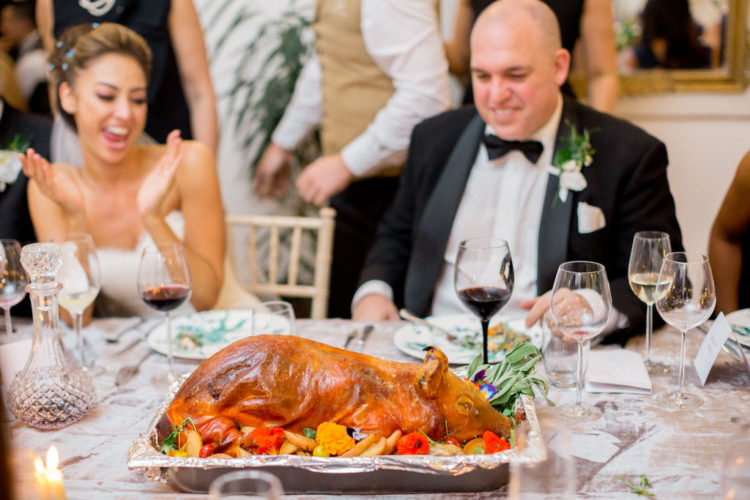
What is a traditional Irish wedding menu? Prior to the last century, you might have expected to find hearty everyday dishes, like stews, root vegetables, and soda bread. Today of course, many Irish weddings feature a global influence, with dishes and foods from all around the world. But increasingly, couples are opting for a contemporary take on traditional Irish wedding food. This approach makes the most of seasonal fare and locally sourced Irish ingredients. It’s also a chance for our fantastic culinary industry to show off, serving fresh takes on classic dishes that add a wonderful sense of place to the occasion.

Canapés are a great place to start. For example, smoked salmon on soda bread or blinis, lamb lollipops, or shots of leek and potato soup. For the mains, serve a traditional stew with gourmet cheese dumplings on the side, potato farls, or retro Colcannon. Ask your caterer for their ideas, and see if they can come up with some exciting variations!

irish-wedding-menu-local-ingredients

Serve seasonal foods and local ingredients

Having your wedding caterer use fresh seasonal produce and locally-sourced ingredients is a great way to give your wedding menu some Irish flare. Different regions of Ireland offer locally reared beef and lamb, beautiful fish and shellfish, and speciality items such as cheeses and black pudding. These can take centre stage or add a twist to any meal, while foraged greens would make for an extra special touch. Even if you’re planning a micro wedding from afar, you should be able to find some of these ingredients available, and they’ll give your guests a delicious preview of what they can expect at your Irish destination wedding.

Some of the best ingredients to consider include Irish wild venison, Wicklow lamb, Atlantic salmon, Mullaghmore Crab, Dublin Bay prawns, Gubbeen cheese, and rich Irish Cheddar.

Don’t forget the alcohol!

We do like a drink at an Irish wedding, but it isn’t just about what you serve at the bar. Alcohol can also add something special to your Irish wedding menu. For example, serve blackened salmon with a whiskey marinade, a starter of mussels in an Irish cider, a stout-infused stew, or an Irish cream based dessert. You can also create a whiskey tasting menu. It goes beautifully with a steak! For a traditional touch, serve guests honey mead, which has been served at weddings in Ireland for many centuries.

irish-wedding-menu-traditional-cake

Have a traditional Irish wedding cake

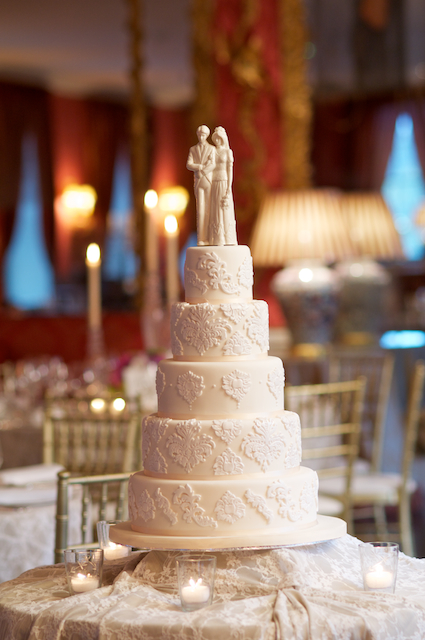
Of course, if you’re having a traditional Irish wedding menu, you must have a traditional Irish wedding cake! This is a tiered fruitcake, soaked in whiskey, covered with thick marzipan and a sweet glaze. It is filled with almonds, raisins and cherries, and was often topped with four leaf clovers for good luck.

However and wherever you’re getting married, adding a touch of home to your Irish wedding menu is sure to go down a storm!

Slán go Fóill,

Tara

Images by Lisa O’Dwyer, Fred Marigaux Photography, Christina Brosnan Photography, Photogenic Photography

Same Sex Weddings in Ireland

It’s hard to believe that almost five years have passed since same sex marriage became a reality in the Republic of Ireland. I still remember the sense of pride and elation I felt when the country voted in favour of marriage equality in the 2015 referendum! And with same sex marriage now also legally recognised in Northern Ireland (as of January 2020), LGBTQI+ and same sex weddings are finally a reality across the whole island. Here at Tara Fay weddings we are huge supporters of marriage equality, and we love helping all our couples make their dream day a reality, whoever they choose to love.

The Marriage Act 2015 applies to civil ceremonies, which can take place in a huge variety of venues across Ireland. For example, castles, hotels, manor houses and museums. You can also opt for a Humanist ceremony for same sex weddings in Ireland (which can include outdoor locations). If you would like to get married on a private estate (ceremony venues must be open to the public), you can also choose to have a small legal ceremony and follow it with a symbolic ceremony in a location of your choice. Windswept cliff tops, fields, woodlands… wherever your imagination takes you!

While same sex weddings in Ireland are identical to opposite sex weddings in the most important way (i.e. legal status), it’s up to you how traditional you want your celebration to be. In fact, LGBTQI+ couples often feel less restricted when it comes to the details of the day, allowing us to create a day for them that feels completely personal. You make the rules! Here are a few elements to consider.

same-sex-weddings-in-ireland

What to wear

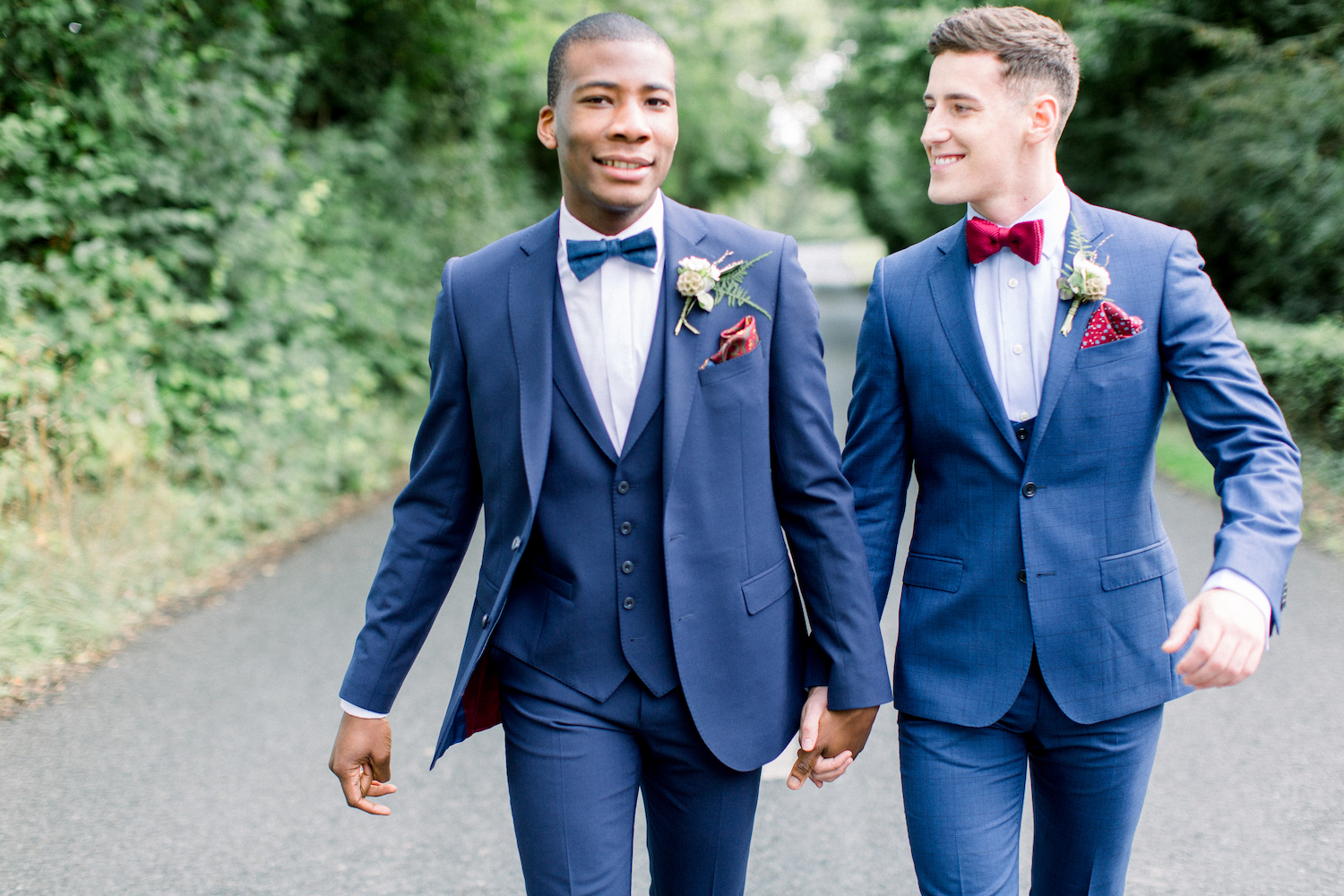
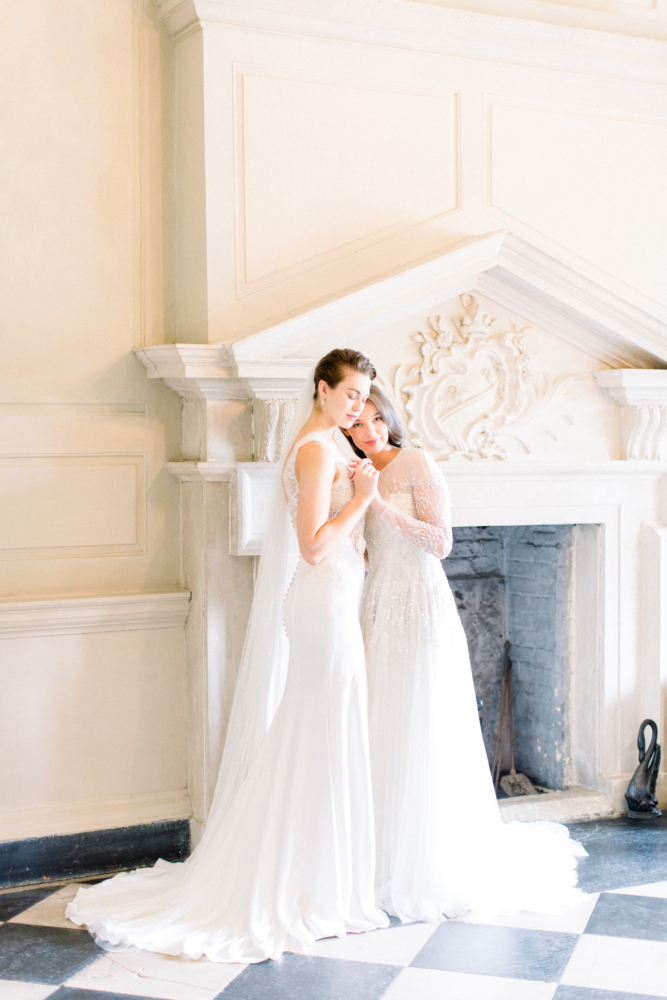
Two tuxes? Two dresses? Matching or not? The answer is: whatever will make you feel incredible. There are a huge range of options, from dresses to suits to uniquely complementary ensembles. The most important thing is that each of you feels comfortable and confident. And, while you can choose to wear the same thing or matching versions, there are also lots of other ways to make your outfits coherent, from colours and fabrics to the flowers you carry or the accessories you wear.

The ceremony

Heterosexual Christian wedding ceremonies have a number of traditions, and many are defined by gender. For example, the bride’s family sit on the left, and the groom waits for the bride at the top of the aisle. With same sex weddings, you get to build the ceremony that best fits you as a couple. For example, you could walk down the aisle together, or towards each other from opposite directions. You also don’t need to include heteronormative phrases in your vows. Write your own, and personalise your ceremony with readings and music that you love.

Wedding traditions

There are lots of other wedding traditions that are defined by gender, and you can reimagine these exactly as you wish. For example, you can dispense with the bouquet and garter toss, or turn it into something new. You can have bridesmen and groomsmaids, a shared wedding party, or no entourage at all. You might also choose to have a first look, or to get ready together. It’s your wedding; your rules. And the same goes for your pre-wedding events, like hen parties and stag dos!

Whatever you decide on, remember this is your love, and your relationship that is being honoured. And, while all couples struggle with the expectations of family and friends, the most important thing is to focus on what matters to you as a couple.

I can’t wait to welcome more gorgeous couples home to Ireland for their same sex weddings in 2021 and beyond!

Slán go Fóill,

Tara

Images by Eric Kelley

The Dos and Don’ts of Planning a Destination Wedding in Europe

Dreaming of a destination wedding in Europe? Who could blame you! There are so many options for romantic European weddings, from ancient castles in Ireland to sunkissed villas in Italy or France. Whatever you’re picturing, planning a perfect destination wedding in Europe isn’t as difficult as you may think, especially if you have an experienced local wedding planner on board. But before you start packing your bags, here are a few important dos and don’ts to consider.

DO visit the location in advance

One of the best things about having a destination wedding in Europe is that there is a location to suit every couple. From beachy Mediterranean settings to vibrant historic cities, to cosy country retreats. The internet is a great place to start scouting venues, reading reviews, and swooning over images. But if at all possible, make sure you visit your destination before booking. (Plus, it’s a great excuse for a romantic getaway!)

DON’T choose a difficult-to-reach location

When picking a European wedding venue, it’s important to think about accessibility for your family and friends. Are there regular (direct) flights? Is there suitable accommodation at a range of price points nearby? You should also make sure that the location has all of the resources you need, otherwise you will have to budget extra to bring them in.

planning-a-destination-wedding-in-europe

DO arrive a few days before your guests

It’s always a good idea to travel out to your European wedding destination ahead of your guests. This will give you time to settle in, calm your nerves, and get over any jetlag. You’ll also able to squeeze in a hair and makeup trial, and deal with any last minute details.

DON’T limit your celebrations to the wedding day

Having all your favourite people with you on a dream European vacation is a once-in-a-lifetime experience. Make sure to organise additional outings or events for the group, so that everyone is able to get a real taste of your host country. If you’re planning a destination wedding in Ireland, that might include dining on some of our delicious local cuisine, visiting an historic site, or enjoying a golf or spa day, for example.

DO embrace the local culture

To make your destination wedding in Europe extra special, you should embrace and incorporate elements of your chosen location. For example, you could reflect it in your menu, your stationery, your wedding design or your ceremony. For an Irish destination wedding, a popular option is to have a bagpiper play you down the aisle. You could also invite Irish dancers to perform at the reception, and serve your guests a selection of fine Irish whiskeys.

planning-a-destination-wedding-in-europe

DON’T make your destination wedding ceremony your legal one

Of course, it’s possible to arrange for your destination wedding ceremony to be a legal one. But depending on your destination, that can be a tricky and time-consuming process. In Ireland, the registration system can be more trouble than it’s worth, so I would recommend getting legally married in your home country. It also gives you more freedom with when and where your symbolic ceremony or blessing can take place.

DO make sure your guests feel welcome

It’s more important than ever at a destination wedding that you do everything you can to make your guests feel welcome. After all, they’ve come a long way to be with you! Treat them to welcome gift bags at their hotels, and provide them with all the information they need to enjoy their stay. Spend time with each of them during the wedding weekend, and be sure to add a personal touch with a handwritten thank you note to show how grateful you are that they are there.

DON’T try to do it all on your own

Planning any wedding is time consuming and stressful. A destination wedding has an extra layer of challenges. And depending on which European wedding destination you choose, language can also be an issue. That’s why it’s so important to find a team of professionals you can trust. Starting with an experienced destination wedding planner! They will be able to coordinate with other vendors, give you good (local) advice, and help you source those special touches.

Slán go Fóill,

Tara

Images by Lisa O’Dwyer and Photogenic Photography
5 Ways to Narrow Down Your European Wedding Destinations List

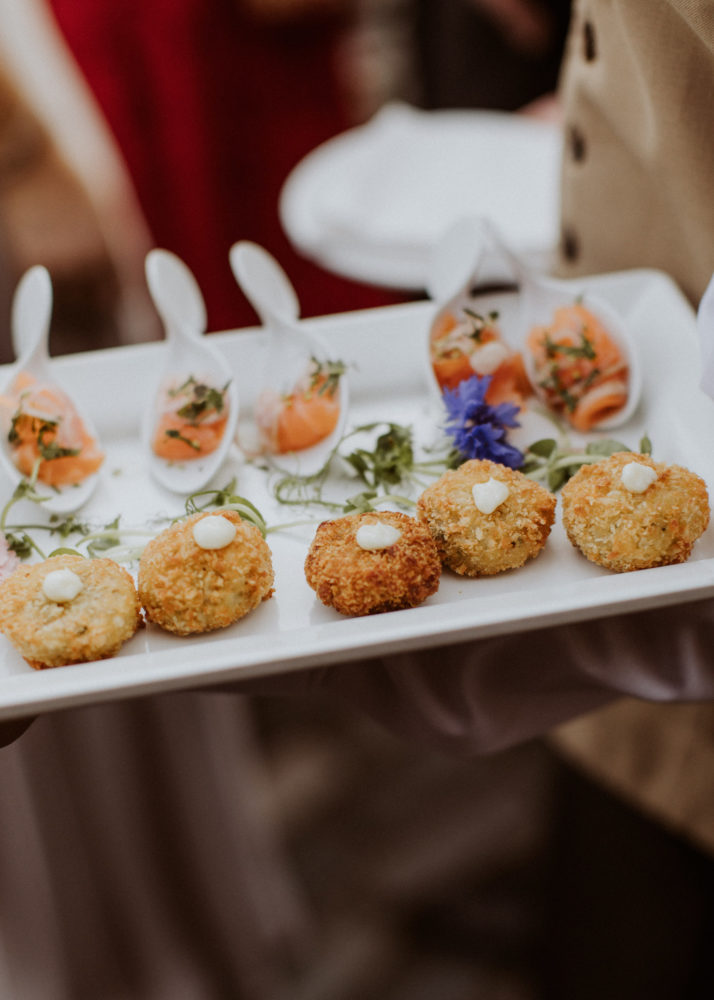
So you’ve decided on a destination wedding, and narrowed it down to Europe. The inevitable next question is: where? After all, the location of your wedding will set the tone for the whole event, and put into motion so many other aspects of your wedding planning. But with the whole of the continent at your fingertips, how do you find the place that’s right for you? A beach in the Algarve, maybe. A castle in Ireland. An elegant chateau in the Dordogne. Or maybe even a glacier in Iceland? With so many fabulous European wedding destinations to choose from, it can be hard to know where to begin. Here are some things to consider, that will help you turn an endless list of possibilities into a more manageable shortlist.

Decide on a backdrop

The best place to start is with yourselves. What sort of backdrop do you envision? What sorts of places do you love to travel and what are your passions? Whether you dream of mountains or ocean, sun or snow, a secluded country venue or a vibrant city spot, the place you choose for your wedding should reflect YOU. And with so many European wedding destinations to choose from, there really is something for everyone. Sit down as a couple and discuss your dreams and expectations. Then make a list and start researching which locations fit your criteria.

ways-to-narrow-down-your-european-wedding-destinations-list

Consider your guests

Choosing a wedding destination is far easier when you have an idea of how many people will be on your guest list. If it’s a larger one, this may allow you to eliminate locations that don’t have enough accommodations nearby, or that are hard to get to. It’s also important to consider the ages of your guests and whether you will be inviting children or elderly people. Creating a first draft of your guest list will give you a lot of information to apply to your destination search.

Think about season and weather

Another aspect of European destination weddings to consider is the season, and the weather you can expect during any month. This is especially important if you want an outdoor ceremony or reception. The weather here in Ireland is known for being a little eccentric, so we always prepare for showers, whatever the month! That said, the second half of the year is generally wetter and windier. August and December are typically the rainiest months and we do get plenty of pretty days throughout the year too!

ways-to-narrow-down-your-european-wedding-destinations-list

The small print

When planning a destination wedding in Europe, it’s vital that you research the legal requirements. Each country has its own requirements and these often change. Of course, you can also get around this by having a legal ceremony in your home country, followed by a symbolic ceremony at your destination wedding. Also, be aware that if you want a religious ceremony, there are additional rules to follow in most countries and churches.

Guest activities

Destination weddings are more than a single event. They’re a chance to share an experience with your favourite people and explore a beautiful place together. That’s why it’s important to choose a location that has plenty to offer. Fortunately, many European wedding destinations fit the bill, with everything from historic sites to culinary adventures for all to enjoy!

Once you’ve narrowed down your location, it’s time to move on to the next exciting part: venue hunting!

Slán go Fóill,

Tara

Images by Lisa O’Dwyer and Aspect Photography
Planning a Memorial Service or Celebration of Life

Over my years as an event planner in Ireland, I’ve been honoured to become part of my clients’ lives. I’ve shared in their happiest moments, such as weddings, birthdays, and baptisms. And I’ve also been called on to help them celebrate their loved ones when they unfortunately pass away, by planning funerals, memorial services, and celebrations of life.

The first time I was asked to do a funeral and memorial service was about thirteen years ago. It was for a very old client, a very well known businessman in Ireland. I had worked with his whole family at different stages. He knew he was ill and dying, so he approached me to plan his funeral and memorial himself. It was an honour and a privilege to be asked.

Since then, I have been asked to plan one or two memorials each year, usually for families I have worked with previously. Most are akin to small state funerals, so I have to liaise with the police, local authorities, etc.

In Ireland, we are known to do death particularly well. We like to treat it as a celebration of life, frequently with a lively wake. Unfortunately, this has not been possible during the time of Coronavirus, where large gatherings are impossible. So I do think that many families will throw a much bigger memorial celebration later on. Meanwhile, they have time to think about the type of service they would like, and the details they will include to remember their loved ones. For example, which music they would like played, which prayers (if any) they might like said, and so on.

If this is something you’re dealing with at the moment, I’m so sorry. Losing a loved one is always heartbreaking, but it must be especially difficult at the moment. To help you, I’ve put down a few of my top tips for planning a meaningful and memorable celebration of life.

You aren’t alone

Planning a memorial service isn’t something you have to do alone. And, while I work closely with the funeral directors, my role has always been a different one. I act as a central point of contact between the family, the florists, musicians, the press, and media (when relevant). In many ways, it’s similar to my role as a wedding planner. It allows the family to hand all the coordination over to me at what is already such a difficult and stressful time.

Consider the seating carefully

That first funeral I planned was at home in a small family chapel, but the memorial was very large. Over a thousand people attended from all over the world, including dignitaries, presidents, and other heads of government. I had to update my knowledge of seating etiquette, and it showed me how important seating is at a memorial.

When creating the seating chart, it’s important to take into account the different aspects of someone’s life, and seat guests accordingly. If you’re dealing with a particularly large headcount, consider creating a second space with video feed. We have often done this, especially where there has been a live broadcast of a funeral mass.

Include a book of condolence

A common feature at a funeral or celebration of life is the book of condolence. At two different memorials, we had areas for guests to sign this, creating a lasting gift for the family. You can also use this opportunity to really stamp your loved one’s personality on the tradition. For example, one person had been involved in the aviation business. We had the undercarriage from an old plane set up in the tent and encouraged all his friends to sign and place messages on it. His children proudly displayed it later, as an homage to their father. Another client was an art collector, so I hung a blank canvas and placed a pot of lipsticks and black sharpie pens beside it so guests could leave their messages.

Select meaningful flowers

Flowers always add warmth and beauty to an event, and a funeral or celebration of life is no exception. Choose flowers that are meaningful to your loved one. For example, you could include their favourite flower varieties or colours, or the flowers of their birth month or the place they were from.

Include those who cannot attend

Even when large gatherings are allowed again, some people may not be able to attend or might be uncomfortable doing so. This is especially true for elderly people who are at higher risk but will want to celebrate the life of their friend or family member. One option is to webcast the memorial service, so they can attend virtually. You could also invite them to share their favourite stories or memories, and play them as part of a tribute video.

If you would like to talk to us about helping plan a funeral, memorial service, or celebration of life on your behalf, do get in touch. I hope we can help make this difficult time one of happy memories.

Slán go Fóill,

Tara

Image by John Ryan Photography